October 31, 2026
Stepping into your garage only to find your door refuses to budge can instantly derail your morning plans. Cold temperatures cause metal parts to shrink, lubricants to thicken, and bottom rubber seals to stick fast. Understanding how temperature conditions affect your equipment helps keep daily routines moving along smoothly.
Freezing Rubber Seals Along Concrete Thresholds
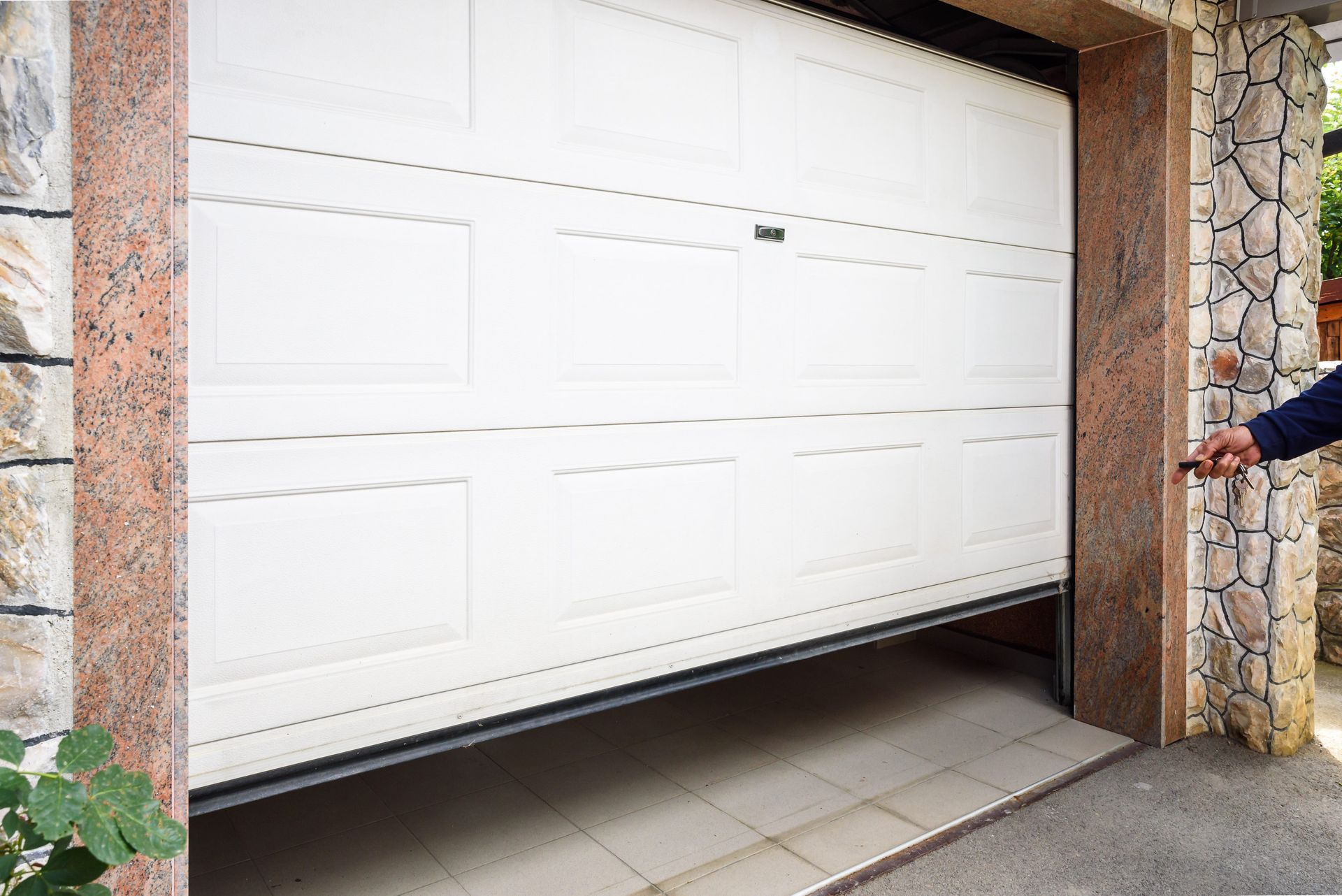
Moisture from washing cars or vehicle runoff frequently pools along the bottom of the garage opening. The thick rubber gasket along the bottom edge presses flat against the concrete to block outdoor drafts. When temperatures drop below freezing, pooled water turns into solid ice, locking the rubber seal directly to the floor. Forcing the motorized opener to lift while the bottom is stuck tears the rubber flap and burns out the motor.
Trained technicians release stuck rubber gaskets using specialized heat tools and apply silicone lubricants that actively repel water droplets. Adding protective silicone barriers keeps standing liquid from clinging to the bottom edge, preventing ice bonds from reforming when cold air hits. Keeping residential overhead doors moving freely requires leveling out low dips in the concrete where runoff tends to settle. Creating a flat contact area allows water to drain away naturally so the panels stay free and mobile.
According to HomeAdvisor, the lifespan for most garage doors is between 15 and 30 years, depending on material, usage, climate, and maintenance. Reaching that full lifespan requires prompt care whenever moving panels become stuck tight against an icy concrete slab. Forcing the door upward with brute force bends bottom brackets and snaps lifting cables, creating expensive mechanical issues. Relying on professional service frees the seal safely, protecting delicate parts and keeping your entry point moving without a single hitch.
Lubricating Stiffened Track Rollers and Metal Hinges
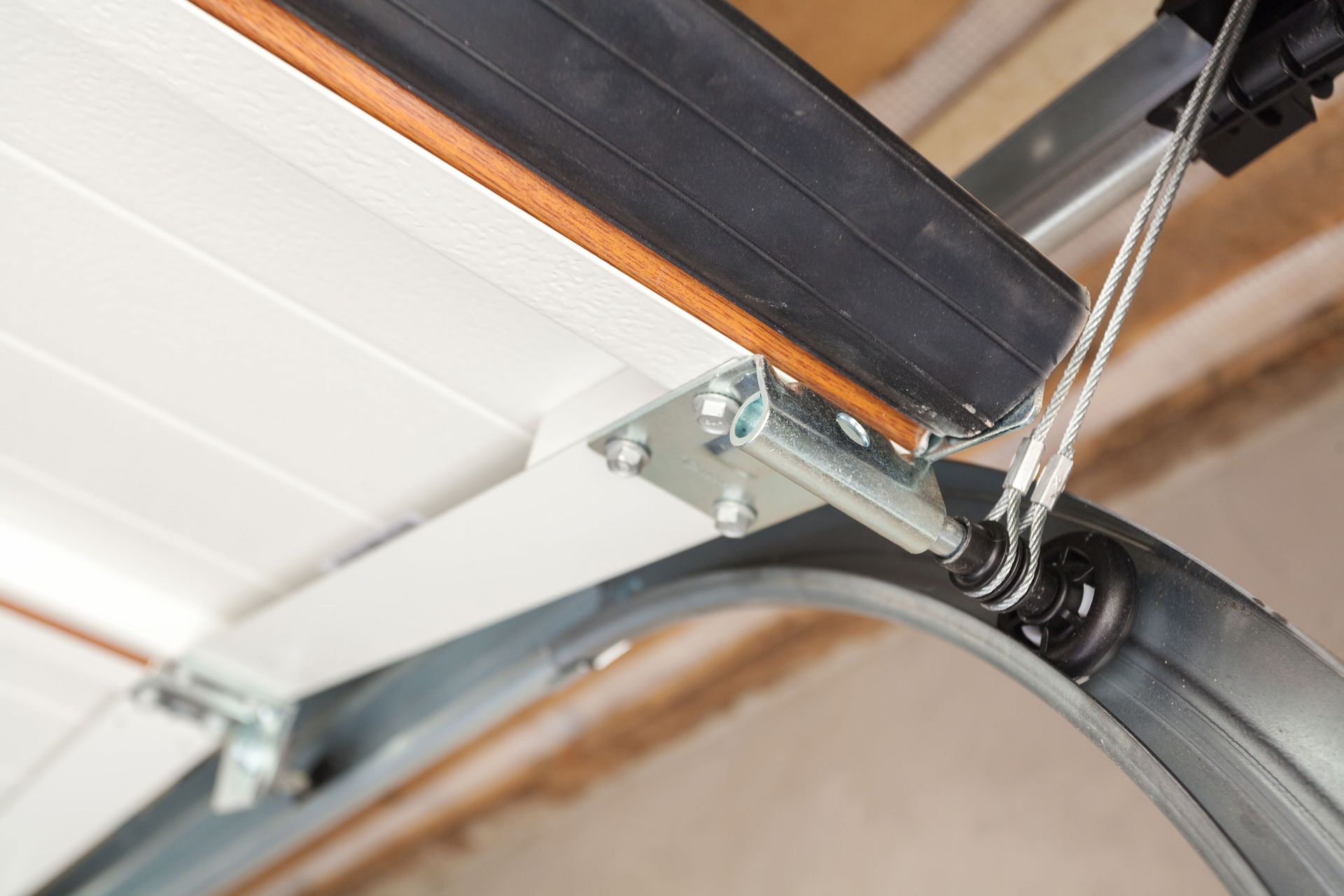
All moving garage setups rely on heavy metal rollers, hinges, and bearings that glide up and down vertical side tracks. During moderate temperatures, standard grease keeps these moving metal wheels spinning freely and quietly along the channels. Bitter cold causes standard grease to congeal into a sticky paste that acts more like glue than a slick lubricant. That thickened gunk creates heavy drag, making the motor strain, groan, and eventually stop moving halfway up.
Booking professional care brings specialized low-temperature lubricants that remain slick, fluid, and active even during deep freezes. Experienced technicians clean out old, hardened grease and accumulated dirt before coating every hinge pin, roller bearing, and metal pivot. Using correct low-temperature formulas on overhead doors eliminates sticky drag, letting rollers glide effortlessly through tracks without binding up. Regular maintenance keeps moving parts slick and free, allowing your motor to lift the full assembly with absolute ease.
Worn rollers can also crack or develop flat spots when forced to roll through hardened grease day after day. Professional technicians inspect nylon and steel rollers for signs of chipped edges, wobbly bearings, or bent stems. Swapping out worn rollers for sealed ball-bearing units prevents dirt and moisture from freezing inside the wheel hub. Fresh hardware keeps rolling action whisper-quiet and silky smooth, helping your equipment lift easily whenever you need to get moving.
Adjusting Contracted Metal Tracks and Roller Spacing
Metals naturally shrink and contract when temperatures plunge into cold territory. The long vertical tracks bolted to your garage walls contract slightly, narrowing the channel where your rollers travel. If tracks were mounted tight against the door originally, cold contraction squeezes the rollers into a tight pinch point. When rollers get squeezed inside tight metal tracks, the opener senses intense resistance and halts operation to prevent motor burnout.
Specialized technicians carry alignment gauges to measure track spacing and adjust wall mounting brackets out by tiny fractions of an inch. Giving rollers adequate breathing room on overhead doors prevents the tracks from pinching the wheels during severe temperature drops. Technicians also verify that vertical rails sit perfectly plumb, so panels do not rub against wooden door jambs on the way up. Proper track alignment eliminates friction, letting panels travel freely up toward the ceiling without unexpected stoppages.
Contracting metal also affects the long horizontal tracks hanging from your ceiling supports. If ceiling brackets shift slightly due to structural building contraction, upper tracks can twist out of parallel alignment. Skilled service crews tighten mounting hardware, reinforce hanging angle iron, and confirm that both sides remain parallel. Keeping overhead rails aligned properly allows upper panels to glide backward smoothly, preventing frustrating jams right when you are in a rush.
Calibrating Sensitive Motor Limits and Force Settings
Modern ceiling openers feature built-in safety controls designed to stop downward travel if an object blocks the threshold. These smart logic systems also monitor the amount of upward pulling power required to raise the assembly. When cold temperatures thicken grease and contract metal, the motor must pull harder than usual to get moving. If resistance exceeds preset limits, the internal computer assumes an emergency blockage exists and shuts down immediately.
Adjusting sensitivity controls requires an experienced touch to balance lifting power with family safety features. Professional technicians adjust force limit dials on overhead doors so the motor handles stiff morning operations without losing its vital auto-reverse capability. Trained specialists use testing equipment to verify that the door still bounces back safely if it meets any physical resistance. Balancing these electrical settings keeps automatic functions operating smoothly while protecting family members, pets, and vehicles from accidental contact.
Electrical circuit boards inside the opener head unit can also behave erratically when cold, damp air seeps inside the garage. Extreme chill affects small electronic relays, causing intermittent power drops that make wall buttons and remotes feel completely unresponsive. Professional diagnostics identify failing circuit relays, test low-voltage wiring, and replace aging backup batteries that fail in the cold. Keeping your opener electronics in top shape means your door opens on command on every single chilly morning.
Balancing Stiff Torsion Springs and Lifting Cables
Heavy garage entryways rely on powerful coiled steel torsion springs to do the hard work of lifting hundreds of pounds. When temperatures drop, steel loses some natural elasticity, becoming stiffer and more brittle under heavy tension. A cold, stiff spring delivers less lifting support, forcing the electric opener to carry far more dead weight than it was designed to handle. If an aging spring loses its balance, the opener simply cannot lift the weight, leaving panels sitting stubbornly on the floor.
Because torsion springs hold immense physical tension, adjusting or winding these components requires specific tools and strict safety training. Professional technicians measure spring tension accurately, adding balanced winding turns so panels lift with fingertip ease. Properly balanced overhead doors glide up smoothly by hand or by motor without placing stressful drag on lifting cables. Balancing spring tension keeps the entire mechanical balance point stable, saving your electric opener from premature motor exhaustion.
Steel lifting cables also require careful inspection because icy conditions can cause cable strands to fray or slip off winding drums. If an off-balance spring jerks the cable suddenly, slack lines can jump track and lock the whole assembly into an awkward angle. Servicing high-tension components keeps your heavy panels lifting evenly on both sides, preventing sudden jams and dangerous mechanical failures.
Handling overhead doors that become stuck in freezing temperatures comes down to thawing seals, loosening tracks, and balancing heavy springs. Avoiding forceful lifting protects sensitive openers from burning out while protecting your property and all who enter. Contact Barrett Overhead Doors for professional service to keep panels moving freely, quietly, and reliably on those chilly mornings.